
Categories
First-Time Homebuyers, Home Buying, Buyer Consultation, Homeownership, Pre-Approval, Pierce County Real Estate, Real Estate EducationPublished June 18, 2026
🏡 What “Move-In Ready” Actually Means (Spoiler: It Depends)

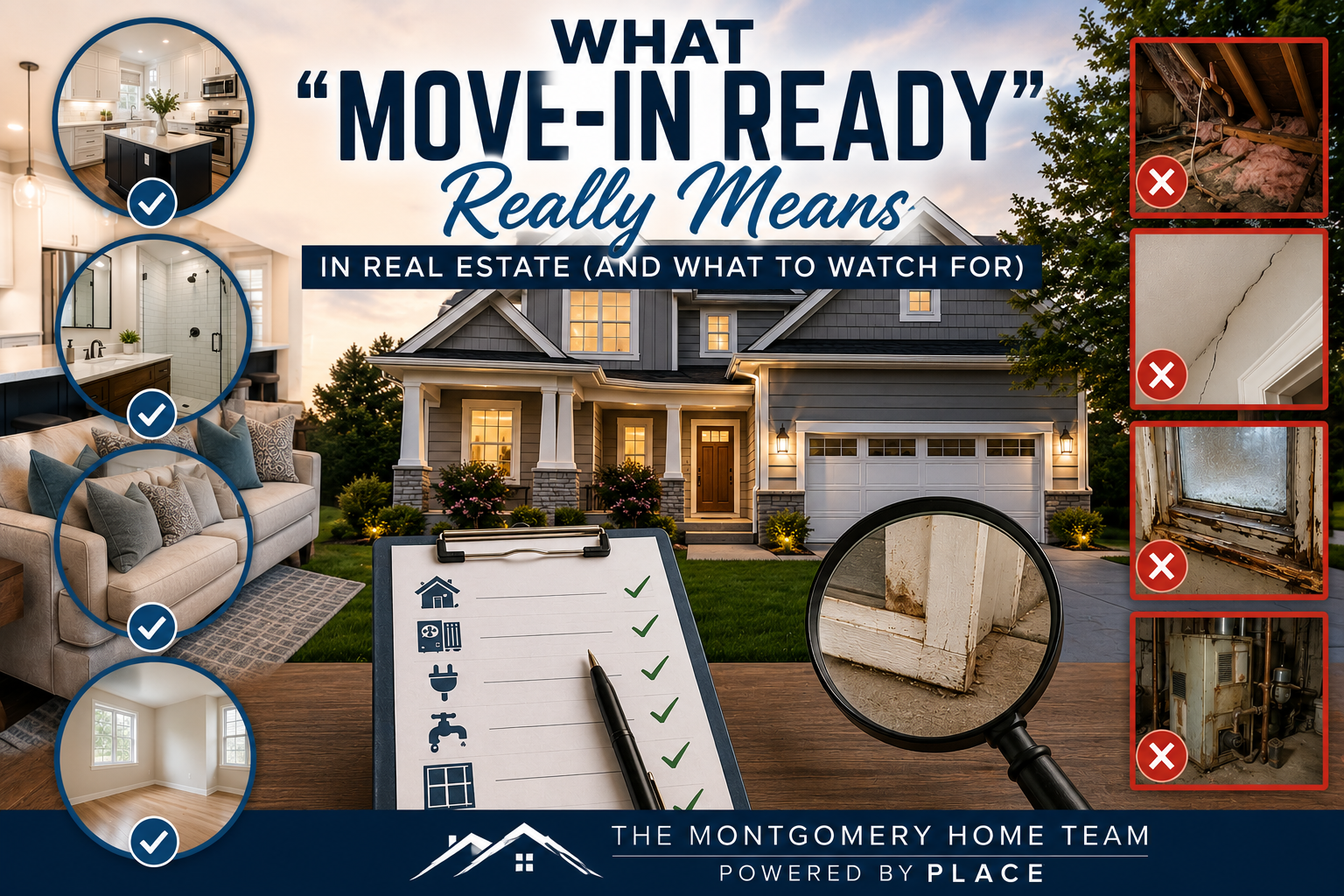
🏡 What “Move-In Ready” Actually Means (Spoiler: It Depends)
If you’ve been house hunting, you’ve probably seen the phrase “move-in ready” more than once. It sounds simple—and reassuring—but in real estate, it doesn’t always mean what buyers think it means.
The truth? “Move-in ready” is often more about perception than a strict standard. And understanding what it really means can help you avoid surprises after closing.
Let’s break it down like a pro.
🏷️ Marketing Language Decoded
In real estate listings, certain phrases are designed to highlight appeal—not necessarily perfection.
Here’s what “move-in ready” can mean depending on context:
- Fresh paint and cosmetic updates
- Clean and functional interiors
- No immediate obvious repairs needed
- Updated kitchens or bathrooms (sometimes partially)
- “Good enough to live in now,” but not necessarily updated throughout
⚠️ What it does NOT always mean:
- New roof or systems
- No maintenance issues
- Fully updated electrical, plumbing, or HVAC
- Zero future repair costs
👉 In short: it means you can move in—but not that you won’t need a repair budget.
👀 What to Look For During Showings
A great showing strategy goes beyond how a home feels. You want to observe how it functions.
Here are key things to pay attention to:
🔧 1. Age and condition of major systems
Ask about:
- Roof age
- Furnace and water heater age
- Electrical panel updates
- Plumbing materials (especially in older homes)
🪟 2. Windows, doors, and flooring
Look for:
- Drafts or moisture between window panes
- Doors that don’t close properly
- Uneven or soft flooring
💡 3. Signs of deferred maintenance
These small clues often tell a bigger story:
- Stains on ceilings or walls
- Cracks in drywall or foundation lines
- Fresh paint in only certain areas (possible cover-up)
🌿 Red Flags Disguised as “Charm”
Some homes are described as having “character” or “charm”—and sometimes they do. But those features can also hide real issues.
Watch for:
- Older homes with unpermitted additions
- “Quirky layout” that actually reduces functionality
- Vintage finishes masking outdated systems
- Cosmetic updates covering structural concerns
🚩 Key mindset shift:
Charm is great—but it should never replace safety, structure, or long-term livability.
🏁 Final Thoughts
“Move-in ready” is a helpful label, but it should never replace due diligence. Every home—no matter how updated—deserves a careful look, the right questions, and a clear understanding of what you’re truly buying.
The best buyers aren’t just emotional decision-makers—they’re informed ones.
If you’re navigating the market and want help interpreting what you’re really seeing during showings, working with an experienced real estate team can make all the difference.

Kari Montgomery
Managing Broker | Montgomery Home Team | Keller Williams Realty | PLACE
or another way